Beyond the Login: Exploring Account Tracking Techniques for Sustained User Participation in Gambling Sites
Greta Koch · May 19, 2026
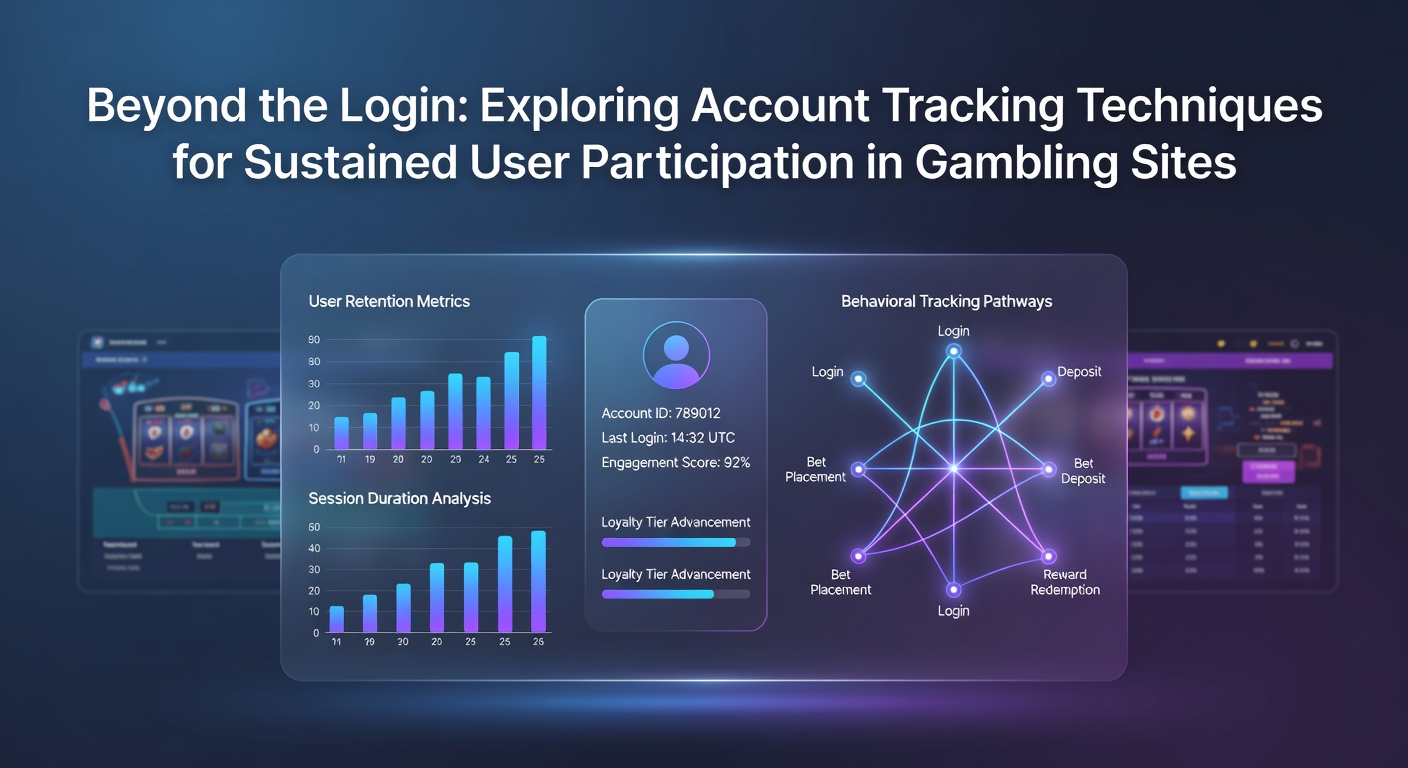
Beyond the Login: Exploring Account Tracking Techniques for Sustained User Participation in Gambling Sites
Account tracking in gambling sites extends far beyond the initial login process and operators rely on layered systems that combine session data with behavioral signals to encourage continued activity; these methods have evolved rapidly since early 2025 as platforms integrate more sophisticated analytics to respond to shifting player habits and regulatory expectations. Data from industry reports shows that sustained participation often hinges on how effectively sites monitor login frequency, wager patterns, and time spent on specific games while balancing privacy considerations across different jurisdictions.
Core Mechanisms Behind Account Monitoring
Modern gambling platforms deploy persistent identifiers that link user actions across multiple visits, and these identifiers allow operators to build detailed profiles without requiring repeated manual input from players. Researchers at various academic institutions have documented how session cookies, device fingerprinting, and IP correlation work together to create continuity even when users switch browsers or clear cache files. One study published in a peer-reviewed journal on digital behavior noted that such techniques help platforms identify dormant accounts early and trigger targeted reactivation prompts within days of reduced activity.
Behavioral segmentation plays a central role here because operators categorize users based on deposit velocity and game preference clusters rather than simple demographic buckets. Platforms then adjust bonus structures or loyalty point accrual rates dynamically, and this real-time adjustment keeps engagement metrics stable according to internal performance dashboards shared at industry conferences in spring 2026. What's notable is that these adjustments occur automatically through rule-based engines that respond to live data streams instead of static schedules.
Advanced Analytics and Retention Strategies
Many sites now incorporate machine learning models trained on historical participation data to predict churn risk days or weeks in advance. These models weigh factors such as average session length, game variety explored, and response rates to previous promotions, then surface personalized offers that align with observed preferences. Observers note that platforms operating under the oversight of the Nevada Gaming Control Board have adopted similar frameworks to comply with reporting requirements while maintaining competitive player retention figures.
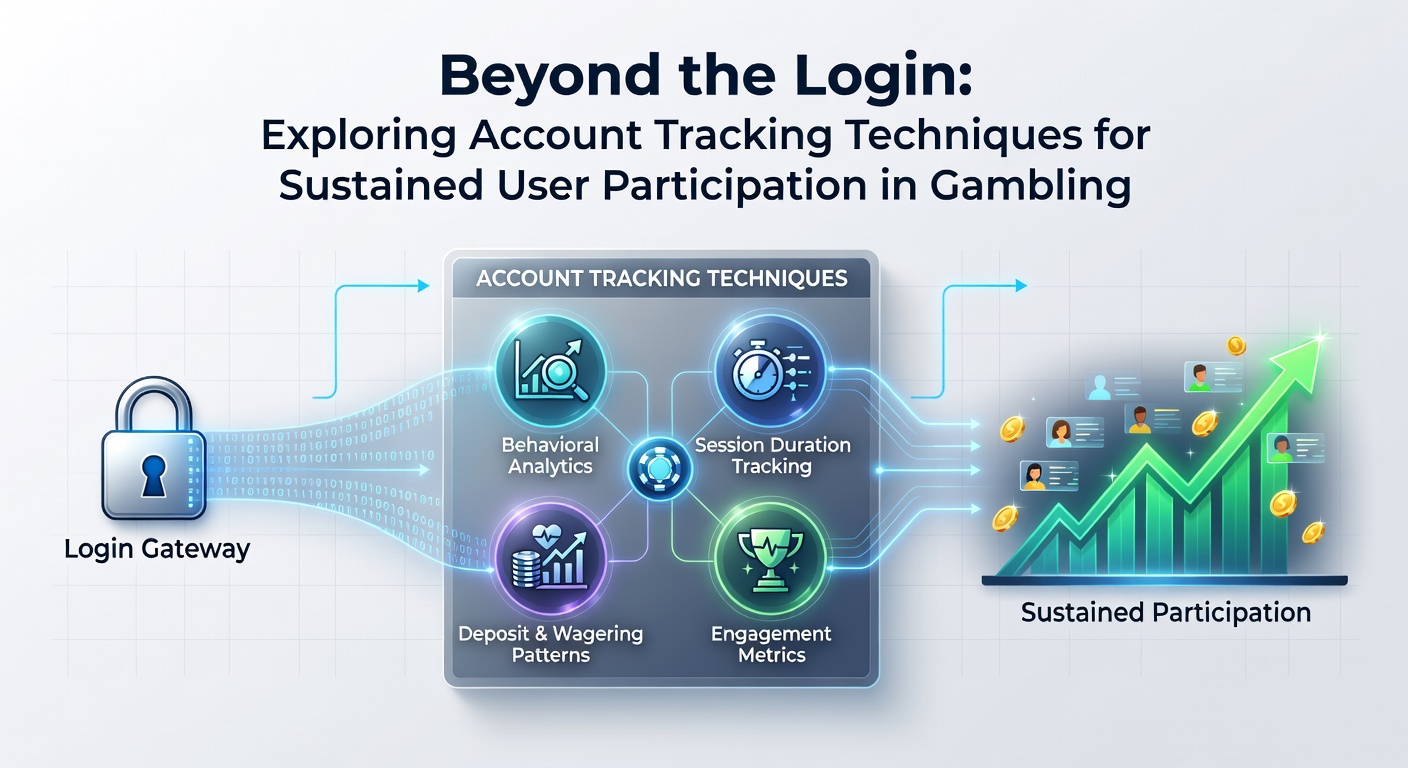
Account tracking also intersects with responsible gaming tools in several regions because operators must flag unusual patterns that might indicate problem behavior. Canadian regulators, for instance, require certain platforms to integrate session time limits and spending alerts directly into the tracking infrastructure. This integration creates a dual-purpose system that supports both commercial goals and compliance standards, and figures from the Canadian Gaming Association indicate measurable improvements in player longevity when these safeguards operate transparently.
Integration with Loyalty and Reward Ecosystems
Loyalty programs represent one of the most visible applications of sustained account tracking because points, tiers, and redemption options update continuously based on tracked activity. Operators link these programs to external data sources such as tournament participation or social engagement features, and the resulting unified view allows for cross-promotional campaigns that extend beyond the core betting interface. A report released by the American Gaming Association in early 2026 highlighted how such interconnected systems contributed to higher repeat visit rates among tracked accounts compared with unmonitored guest sessions.
Push notifications and in-app messaging further leverage the same data streams to deliver timely reminders or incentives, yet timing and frequency remain carefully calibrated to avoid triggering opt-out behavior. Those who have examined player response curves in controlled A/B tests report that messages aligned with individual activity peaks outperform generic blasts by noticeable margins, and this precision depends entirely on the underlying account tracking architecture.
Regulatory Context and Emerging Standards
Regulatory bodies in multiple jurisdictions continue to refine rules around data collection transparency, and operators must now provide clearer disclosures about how account information influences ongoing engagement features. In May 2026 several European markets began piloting updated guidelines that require explicit consent layers for advanced behavioral profiling, and these changes are expected to influence platform design choices worldwide. Platforms that already maintain granular audit logs find themselves better positioned to adapt without disrupting existing user experiences.
Technical standards for data portability have also gained attention because players increasingly request the ability to export their activity history when switching services. Such requests test the robustness of tracking systems and encourage operators to adopt modular architectures that separate core authentication from analytics layers. Industry groups tracking these developments emphasize that successful implementation depends on maintaining data accuracy across transfers while respecting regional privacy statutes.
Conclusion
Account tracking techniques in gambling sites have matured into comprehensive ecosystems that connect login events with long-term participation metrics, and the most effective implementations balance commercial objectives with regulatory compliance across diverse markets. As platforms continue refining these systems through 2026 and beyond, the focus remains on accurate data capture and responsive personalization that respects user autonomy while supporting sustained activity. Continued evolution in analytics capabilities alongside shifting regulatory landscapes will likely shape the next generation of tools operators use to maintain engagement without compromising transparency or trust.