Custom Monitoring Routines Highlighting Shifts in Player Activity Levels Within Gambling Applications
Greta Koch · Aug 2, 2026
Custom Monitoring Routines Highlighting Shifts in Player Activity Levels Within Gambling Applications
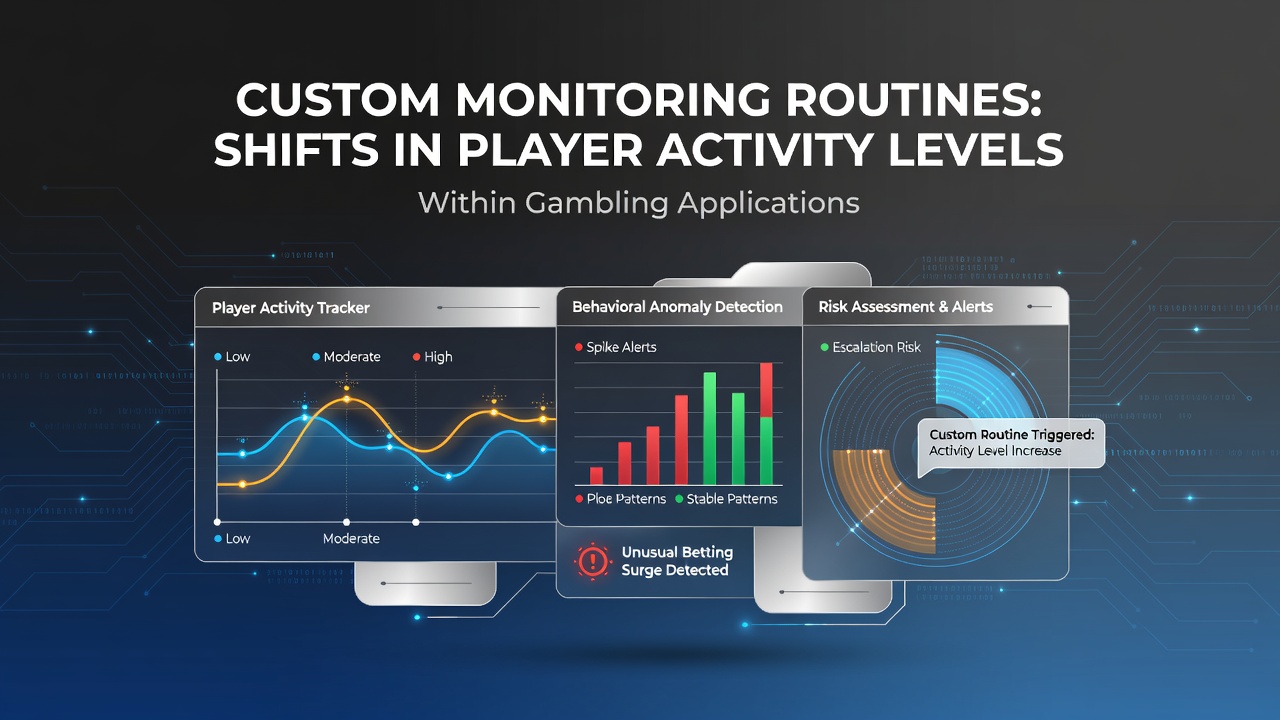
Custom monitoring routines have become essential tools for gambling application operators who need to track variations in player engagement patterns over time. These routines rely on tailored scripts and data pipelines that capture metrics such as session duration, bet frequency, and deposit amounts, then flag deviations from established baselines. Developers integrate these systems directly into backend architectures so that activity level changes surface quickly without manual review of every account.
Core Components of Custom Monitoring Systems
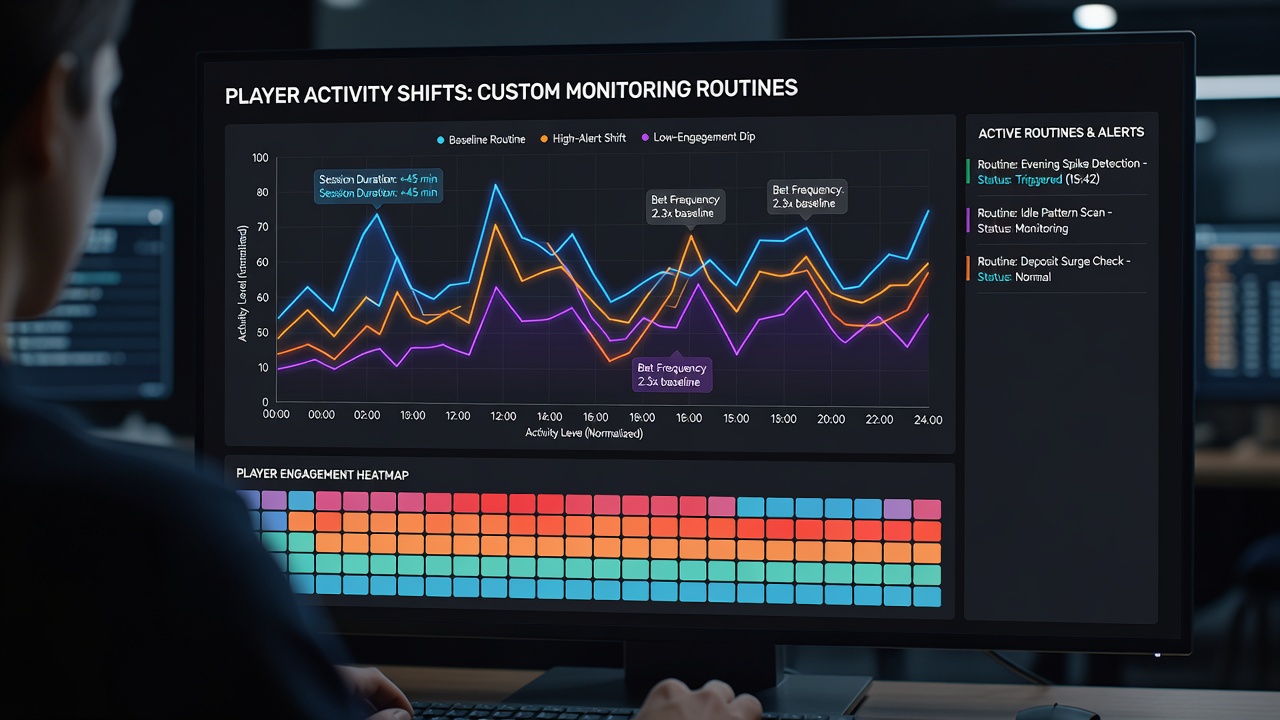
Teams build these routines around specific data points that matter most to retention and revenue tracking. Session length serves as one primary indicator while wager volume and withdrawal patterns provide additional context for identifying shifts. Scripts often pull information from application logs and user databases at regular intervals, then apply threshold rules that trigger alerts when activity drops below or rises above expected ranges. Such setups allow operators to respond to emerging trends before they affect overall platform performance.
One common approach involves time-series analysis that compares current player behavior against historical averages from similar user segments. When a routine detects a sustained decline in daily logins for a cohort that previously showed steady participation, the system logs the event and categorizes it by severity. This process repeats across multiple variables simultaneously so that isolated anomalies do not generate unnecessary notifications while meaningful patterns receive prompt attention.
Implementation Practices Across Platforms
Operators deploy these monitoring routines through modular code structures that separate data collection from alert generation. Perl and Python scripts frequently handle the extraction and transformation steps, pulling raw logs into structured formats that feed visualization dashboards. Integration with existing customer relationship management tools occurs through standardized APIs, which ensures that activity alerts reach support teams who can initiate targeted outreach campaigns.
Testing occurs in staged environments before full rollout so that false positives remain minimal. Teams review sample datasets from previous months to calibrate thresholds accurately, then refine the routines based on observed outcomes. In August 2026 several major platforms updated their monitoring parameters after regulatory filings showed increased scrutiny on player protection measures across North American markets.
Data Sources and Integration Points
Effective routines draw from multiple data streams including real-time game servers, payment processors, and marketing attribution systems. Combining these inputs creates a comprehensive view of how external factors such as promotional offers or seasonal events influence activity levels. According to reports from the Canadian Gaming Association, platforms that correlate payment data with session metrics achieve faster identification of disengagement signals than those relying on single-source tracking.
European operators have adopted similar methods following guidelines issued by the Netherlands Gaming Authority, which emphasize proactive monitoring of behavioral changes. Scripts in these environments often incorporate machine learning models that adjust baseline calculations automatically as player populations evolve. The result is a dynamic system that maintains relevance without constant manual recalibration.
Case Examples from Industry Deployments
One North American operator implemented custom routines that tracked hourly activity spikes during major sporting events and compared them against non-event periods. The system highlighted a 22 percent increase in new account registrations during peak hours, prompting adjustments to server capacity and bonus allocation strategies. Observers note that such targeted insights help teams allocate resources more precisely rather than applying uniform scaling across all time slots.
Another example comes from an Australian platform that used monitoring scripts to detect gradual drops in average bet size among long-term users. By correlating these shifts with changes in game availability, analysts identified content fatigue as a contributing factor. Subsequent updates to the game library reversed the downward trend within six weeks, demonstrating how early detection supports timely content refreshes.
Conclusion
Custom monitoring routines continue to evolve as gambling applications grow more complex and regulatory expectations increase. These systems provide operators with granular visibility into activity level changes across diverse player groups. Through careful design and ongoing refinement, organizations maintain the ability to respond effectively to emerging patterns while supporting responsible gaming objectives across multiple jurisdictions.