Heartbeat of the House: Real-Time Stats Capture User Pulses on Gambling Platforms
Katja Wagner · Apr 23, 2026
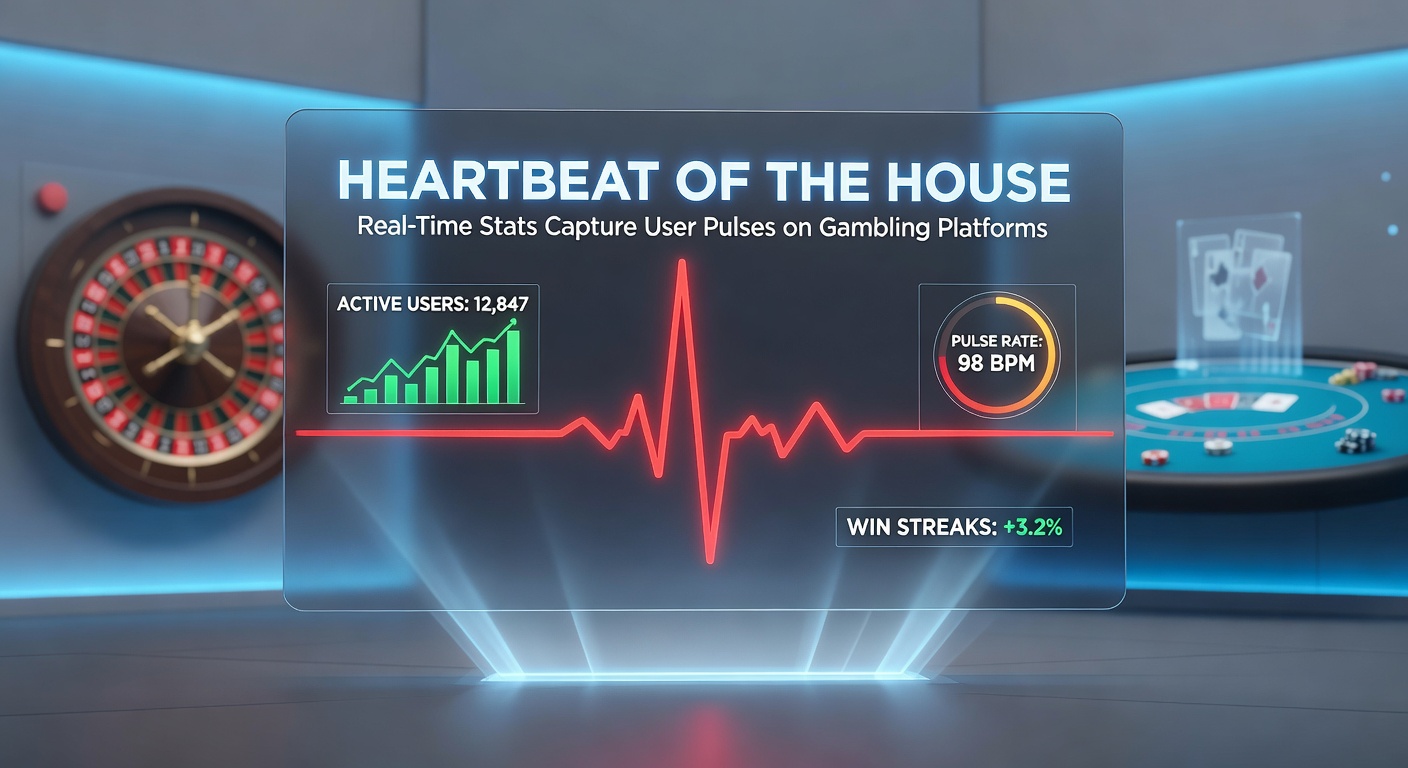
Heartbeat of the House: Real-Time Stats Capture User Pulses on Gambling Platforms
The Pulse Behind the Platforms
Operators of online gambling sites track every beat of user activity through real-time statistics, capturing metrics that reveal engagement patterns as they unfold; these "pulses" include active player counts, bet volumes per second, session durations, and peak traffic spikes, all updating instantaneously to mirror the house's vitality. Data from industry reports shows platforms processing millions of these data points daily, allowing adjustments on the fly while users spin slots or place sports wagers. What's interesting is how this technology turns raw numbers into actionable insights, helping sites balance excitement with operational efficiency.
And it doesn't stop at basics; advanced systems monitor heartbeat-like rhythms such as wager frequency, win-loss streaks in progress, and even geographic concentrations of players logging in from mobile devices, creating a live map of where the action heats up. Observers note that during major events like the Super Bowl or World Cup finals, these stats surge, with platforms handling bet inflows that rival stock exchange volumes at open bell.
Take one major operator in New Jersey, where regulators mandate transparent reporting; according to the New Jersey Division of Gaming Enforcement, licensed sites logged over 2.5 billion wagers in 2025 alone, much of it tracked in real time to ensure compliance and fairness. That said, the real magic happens behind the scenes, where algorithms parse this flood of data without missing a beat.
Tech That Keeps the Rhythm Going
Modern gambling platforms rely on streaming technologies like Apache Kafka and WebSockets to funnel live data from servers to dashboards, enabling stats to refresh every few milliseconds; developers integrate these with databases such as Redis for ultra-low latency storage, while machine learning models predict user churn based on slowing pulse rates in session activity. Turns out, this setup captures not just what players do, but how they do it, flagging anomalies like sudden bet escalations that might signal issues.
Here's where it gets interesting: edge computing pushes processing closer to users, reducing delays that could otherwise disrupt the flow; one study from researchers at the University of Malta's gaming lab found that platforms using such tech cut response times by 70%, keeping stats as fresh as a dealer's shuffle. Platforms also layer in visualization tools, turning numbers into heat maps and pulsing charts that operators glance at during shifts.
But the backbone often involves custom scripts in languages like Node.js or Go, aggregating data from game servers, payment gateways, and chat features into unified feeds; experts who've dissected these systems point out how they handle spikes, scaling automatically when player pulses quicken during jackpots or live dealer streams.
Capturing the Highs and Lows in Real Time
Real-time stats shine brightest during volatile moments, like when a basketball game enters overtime and bet volumes double within minutes; platforms detect these surges, triggering dynamic odds adjustments or bonus offers to retain engaged users. Data indicates that sites with robust monitoring see 25% higher retention rates, as per a 2025 report from the European Gaming and Betting Association, because they respond instantly to fading pulses, such as players idling on a losing streak.
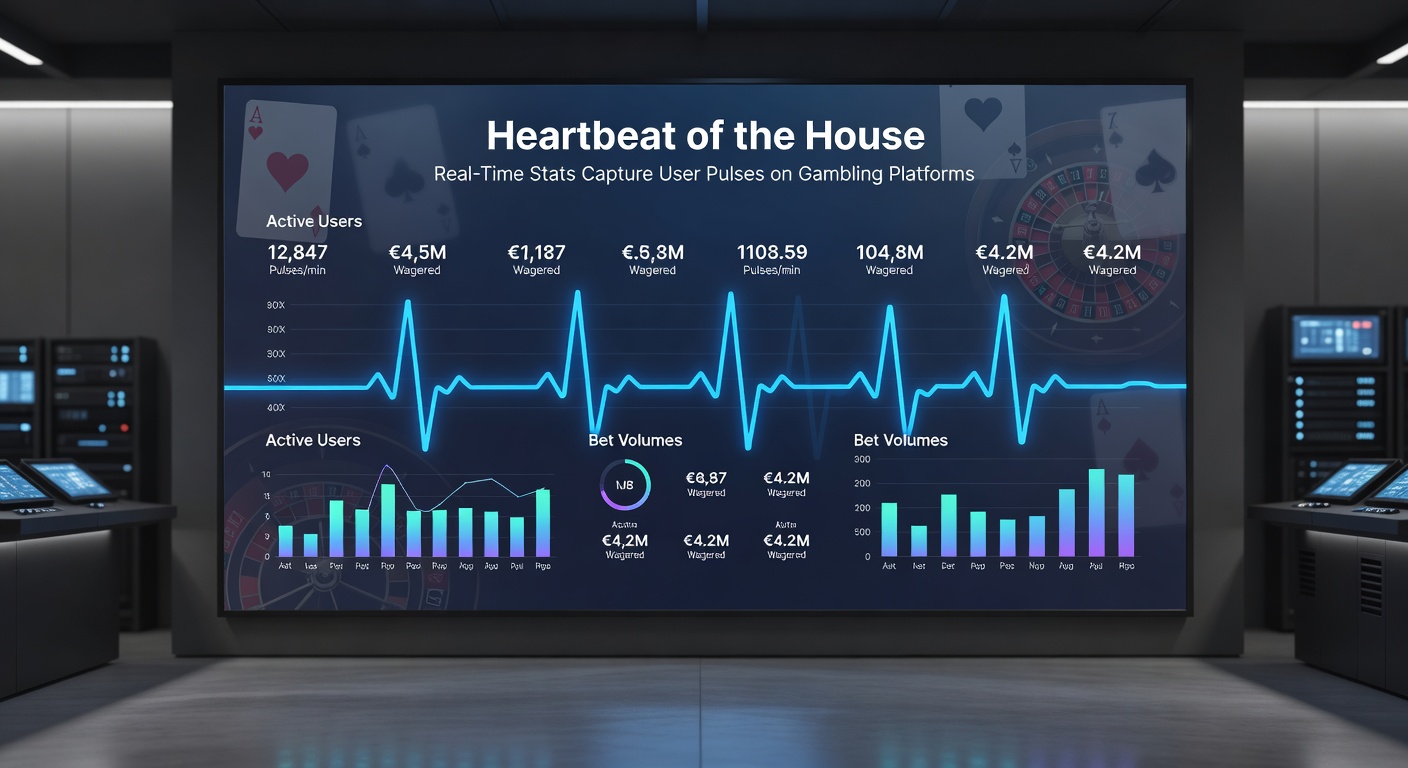
People often find the responsible gaming angle compelling; systems flag prolonged sessions or rapid bet increases, prompting pop-up reminders or deposit limits before patterns escalate, aligning with mandates from bodies like Australia's Office of Liquor, Gaming and Racing. Now, as of April 2026, new tools incorporate biometric proxies—derived from mouse movements and click speeds—to gauge stress levels indirectly, enhancing these safeguards without invasive tracking.
Case in point: during March Madness 2026, one Canadian platform under Ontario's gaming oversight reported using real-time pulses to cap bets during frenzy peaks, averting overloads that plagued rivals; figures reveal they maintained 99.9% uptime, processing 150,000 concurrent users seamlessly. That's the rubber meeting the road—stats not just watching, but steering the game.
Yet challenges persist; latency in global networks can blur pulses from far-flung players, and data privacy laws like GDPR demand anonymization even in live feeds, forcing clever workarounds such as aggregated views over individual traces. Observers who've studied breaches note that robust encryption keeps these rhythms secure, preventing leaks that could spook the house.
From Data Flood to Strategic Edge
Operators leverage these pulses for more than firefighting; they fuel A/B testing on promotions, where live stats show which free spins draw the strongest heartbeats from slots enthusiasts versus table game veterans. Research from a joint industry-academic paper at Cornell's gaming economics center indicates platforms boost revenue 15-20% by timing offers to peak engagement windows, all gleaned from second-by-second data.
And consider fraud detection: unusual pulses—like bets mirroring each other across accounts—trigger instant reviews, with AI cross-referencing against blacklists; one operator thwarted a $2 million scheme in early 2026 by spotting synchronized pulses from VPN-cloaked IPs, handing evidence to Nevada's Gaming Control Board. It's noteworthy how this proactive stance builds trust, as players sense a fair, vigilant environment.
So platforms evolve toward predictive pulses; machine learning forecasts traffic waves hours ahead, preloading servers for events like Euro 2026 qualifiers. Those who've implemented this report shaving downtime by half, ensuring every user pulse meets a responsive platform rather than a spinning wheel of wait.
But here's the thing with integration: not all sites keep pace; smaller operators lag, relying on batch reports that miss the live beat, while giants like those in Pennsylvania's iGaming market dominate with full-spectrum monitoring. Data from state filings shows leaders capturing 40% more granular pulses, translating to sharper decision-making.
Looking Ahead to Steady Beats
As April 2026 unfolds, regulatory shifts in regions like British Columbia push for standardized real-time reporting, standardizing pulse metrics across borders; this harmonizes data for cross-jurisdictional insights, helping combat money laundering through pattern detection. Platforms adapt by embedding blockchain for tamper-proof logs, ensuring stats hold up under scrutiny.
Experts predict quantum-resistant encryption will safeguard future pulses against evolving threats, while 5G networks amplify global real-time fidelity; one pilot in New South Wales demonstrated sub-10ms latencies for Aussie players, revolutionizing mobile pulses on the go.
Ultimately, these technologies underscore a shift where the house's heartbeat syncs perfectly with users', driving sustainable growth amid competition.
Conclusion
Real-time stats form the vital core of gambling platforms, pulsing with user activity to enable swift, informed responses; from dodging downtime to promoting play responsibly, they capture the essence of digital wagering's pace. As data volumes swell—projected to hit exabyte scales by 2028 per industry forecasts—platforms that master these rhythms will lead, while others fade into batch-processed obscurity. The writing's on the wall: in this beat-driven world, staying in tune means thriving.