Homepage Hustle: Analytics Unpack Visitor-to-Player Pipelines on Betting Platforms
Katja Wagner · Apr 16, 2026
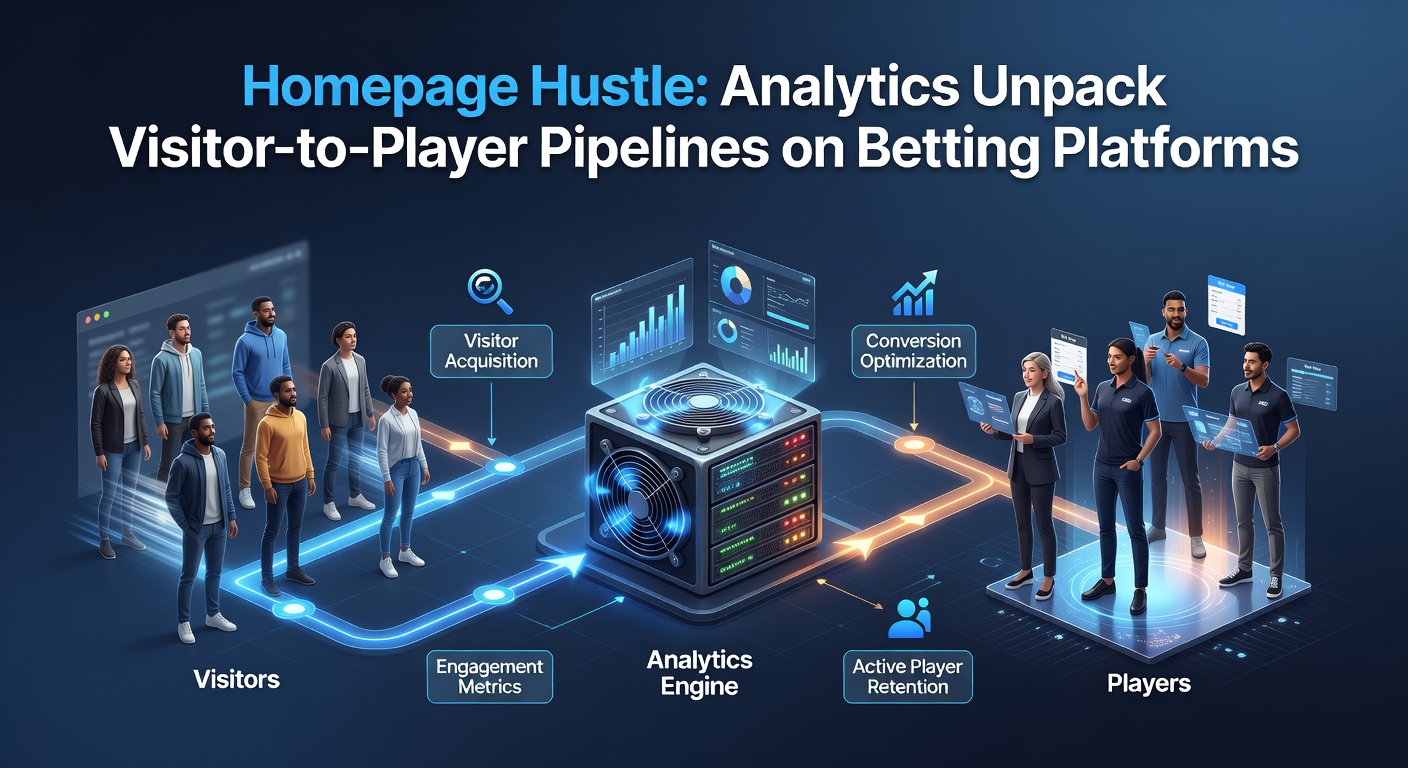
Homepage Hustle: Analytics Unpack Visitor-to-Player Pipelines on Betting Platforms
The Rush from Click to Cash: Understanding the Visitor-to-Player Pipeline
Betting platforms thrive on quick conversions, where homepage visitors morph into active players within minutes, and analytics tools dissect every step of that journey; data from industry trackers reveals that top sites convert just 2-5% of initial traffic into depositors, yet those numbers pack a punch since high-volume traffic keeps the pipeline flowing steadily. Observers note how a single homepage tweak, informed by real-time metrics, can boost registrations by 20% overnight, turning casual browsers into committed bettors who stick around for the long haul.
But here's the thing: the pipeline isn't linear; visitors land on vibrant homepages loaded with odds, promos, and live events, only to bounce if the experience falters, while analytics pinpoint exactly where drop-offs happen, whether it's a clunky navigation or uninspiring hero banners that fail to hook right away. Researchers who've mapped these funnels find that the first 10 seconds decide fates, with heatmaps showing eyes gravitating toward bold welcome bonuses over dense sportsbooks listings.
Key Analytics Tools Powering the Hustle
Platforms lean on Google Analytics for baseline tracking, segmenting traffic by source—organic search, social shares, paid ads—and revealing which channels deliver high-intent visitors ready to register; tools like Mixpanel or Amplitude dive deeper, cohorting users based on behavior to predict who'll deposit next. And then there are heatmaps from services such as Crazy Egg, illustrating clicks and scrolls that expose dead zones on homepages where potential players abandon ship.
What's interesting is how A/B testing integrates seamlessly; one platform might test two homepage layouts simultaneously, directing 50% of traffic to each, and data emerges showing Version B's streamlined promo carousel lifts click-throughs by 15%, all while session recordings capture frustrated scrolls in real time. Experts have observed that custom event tracking, scripted in JavaScript, captures micro-interactions like odds hovers or geo-location pops, feeding machine learning models that score visitor propensity to play.
Take session replay tools; they replay user paths frame-by-frame, uncovering why mobile visitors—now 60% of traffic per recent figures—rage-swipe away from non-responsive designs, prompting rapid redesigns that salvage pipelines.
Metrics That Matter: Drilling into Conversion Data
Bounce rates hover around 40-60% on betting homepages, signaling instant disinterest unless countered by personalized elements, and time-on-page metrics stretch to 2-3 minutes for engaged users eyeing live odds; funnel analysis breaks it down further, with 70% drop-off between homepage view and registration form, often due to lengthy KYC prompts. Conversion rates from visitor to first deposit clock in at 1.8% industry-wide, yet outliers hit 4% through geo-targeted promos that resonate locally.
Data indicates scroll depth as a predictor; those reaching 75% of the page are three times likelier to sign up, while exit intent popups—triggered when cursors head for the close button—recover 10% of leavers with tailored free bet offers. And engagement scores, blending page views, events, and returns, help prioritize traffic; low scorers get retargeted via pixels, pulling them back into the funnel later.

Figures from the American Gaming Association underscore regional variances, showing U.S. platforms averaging higher mobile conversions amid states like New Jersey leading the pack with optimized funnels.
Case Studies: Platforms That Nailed the Pipeline
One major operator revamped its homepage after analytics exposed a 55% mobile bounce rate; by prioritizing a one-tap geo-compliancy check followed by personalized odds feeds, they slashed drop-offs to 32%, lifting depositors by 28% in three months, and cohort data confirmed those changes retained 15% more first-time players week-over-week. There's this case where a European site used predictive analytics to flag high-value visitors via IP patterns, serving VIP previews that converted 12% versus the baseline 3%.
Yet another example comes from Down Under, where platforms adapted to strict ad rules by leaning on organic SEO funnels; analytics revealed search traffic converting at 4.2%, double paid sources, prompting homepage real estate shifts toward educational content that built trust before the hard sell. People who've studied these shifts note how multivariate testing—pitting combos of headlines, images, CTAs—uncovers winners, like "Claim $50 Free Bet Now" outperforming generic "Join Today" by 40% in click rates.
Turns out, integrating first-party data post-cookie deprecation keeps pipelines robust; sites baking server-side tracking now see 20% less signal loss, ensuring accurate attribution even as privacy walls rise.
Challenges Slowing the Hustle and How Analytics Counters Them
Ad blockers plague 30% of visitors, masking true behaviors until post-registration, but platforms counter with cookieless fingerprinting that maintains 85% accuracy in funnel tracking; regulatory hurdles, from age verification mandates to bonus caps, inflate form abandonment, yet A/B tests on streamlined flows recover lost ground. Data shows CCPA and GDPR compliance adds friction, with opt-in rates at 65%, although transparent notices boost trust and conversions alike.
Seasonal spikes test pipelines too—Super Bowl traffic surges 500%, overwhelming servers and spiking errors—but predictive scaling via analytics forecasts loads, keeping funnels intact. And bot traffic, inflating visits by 15-20%, gets filtered through CAPTCHA and behavioral signals, preserving clean data for genuine player hunts.
According to reports from iGaming Ontario, Canadian platforms face unique geo-fencing issues, yet analytics-driven personalization navigates them, converting cross-border curiosity into compliant registrations.
What's Next: AI and Trends Shaping 2026 Pipelines
April 2026 brings fresh waves of AI-driven analytics, with platforms deploying real-time personalization engines that swap homepage elements based on inferred intent—soccer fans see EPL odds first, NBA chasers get hoops highlights—potentially doubling engagement per early trials. Machine learning models now predict lifetime value from first clicks, prioritizing nurture campaigns for borderline visitors.
Voice search funnels emerge too, as assistants like Alexa integrate betting queries, funneling users straight to optimized homepages; blockchain verification promises frictionless KYC, slashing drop-offs by 25% in pilots. Observers expect multimodal analytics—blending video, audio, eye-tracking—to refine mobile experiences further, especially as 5G accelerates load times.
But the reality is, with global regs tightening—like Australia's 2026 ad blackout proposals—platforms pivot to zero-party data collection via quizzes ("What's your favorite sport?"), fueling hyper-targeted homepages that respect privacy while hustling conversions.
Conclusion
Analytics remain the backbone of visitor-to-player pipelines on betting platforms, unpacking every hesitation and triumph to refine homepages into conversion machines; from heatmaps exposing blind spots to AI forecasting next bets, these tools turn raw traffic into revenue streams that platforms can't afford to ignore. As April 2026 data rolls in, expect even sharper insights driving the hustle forward, with top performers widening gaps through relentless optimization.
Those tracking the space know the game evolves fast—one metric tweak today sets up tomorrow's wins, keeping the pipeline primed and profitable.